Olive Oil Cake: A Simple Lemon Cake with Extra Virgin Olive Oil
Some cakes need layers, frosting, and an occasion. This one needs a bowl, a couple of lemons, and a good olive oil.
Lemon olive oil cake is the sort of cake you can serve after dinner, then enjoy again the next afternoon with coffee. Olive oil gives the crumb a tender texture and brings another layer of flavor alongside the citrus. There is no butter to soften and no elaborate decoration to manage.
The aim here is balance: bright lemon, gentle sweetness, and an olive oil you enjoy tasting.
Choosing an olive oil for lemon cake
Choose an extra virgin olive oil with a flavor you like on its own. Baking softens some of its delicate aromatics, but the oil still contributes to the finished cake.
For a softer introduction, start with a gentler, fruit-forward oil rather than a strongly bitter or peppery one. Arbequina is a good variety to consider, though flavor varies with the producer and harvest.
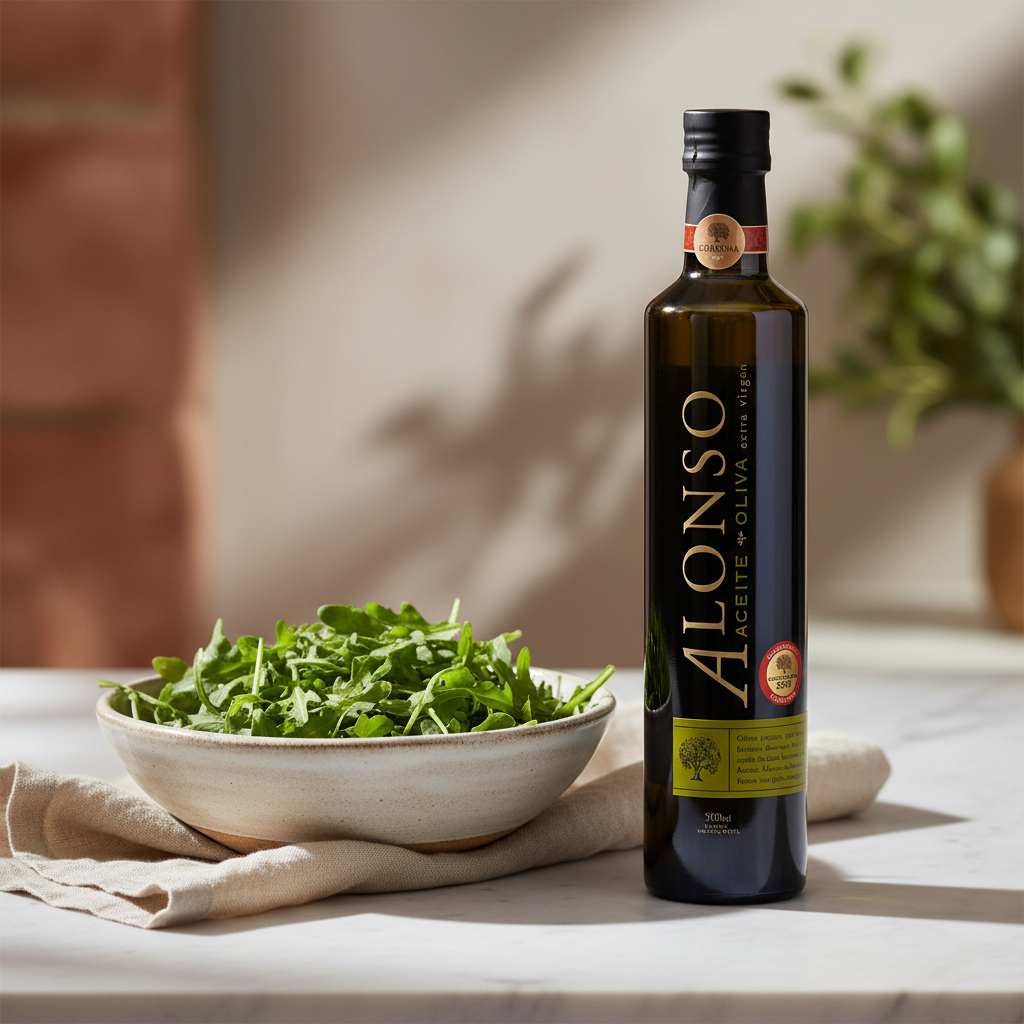
Our suggested starting point is Alonso Olive Oil: Arbequina 2026. A more robust oil can also be interesting if you want its character to be noticeable, but the goal for this recipe is to let the lemon lead.
You do not need to use your most expensive finishing oil. Choose a sound, fresh-tasting EVOO that you are happy to bake with.
The recipe
Makes: One 9-inch round cake, approximately 10 slices
Preparation: About 15 minutes
Baking: Approximately 40–50 minutes
Ingredients
- 1½ cups (190 g) all-purpose flour
- 1½ teaspoons baking powder
- ½ teaspoon fine sea salt
- ¾ cup (150 g) granulated sugar
- Finely grated zest of 2 lemons
- 3 large eggs, at room temperature
- ⅔ cup (160 ml) extra virgin olive oil, plus a little for the pan
- ½ cup (120 g) plain whole-milk yogurt, at room temperature
- ¼ cup (60 ml) freshly squeezed lemon juice
- 1 teaspoon vanilla extract
- Powdered sugar, for serving, optional
Method
- Prepare the oven and pan. Heat the oven to 350°F (175°C), with a rack in the center. Lightly oil a 9-inch round cake pan at least 2 inches deep. Line the bottom with parchment paper.
- Mix the dry ingredients. Whisk the flour, baking powder, and salt together in a medium bowl.
- Rub the zest into the sugar. In a large bowl, rub the lemon zest into the granulated sugar with your fingertips until the sugar is fragrant and slightly damp. This helps distribute the zest and its aromatic oils throughout the batter.
- Whisk the wet ingredients. Add the eggs to the lemon sugar and whisk until well combined and slightly lightened, about a minute. Slowly whisk in the olive oil, then add the yogurt, lemon juice, and vanilla. Mix until smooth.
- Fold in the flour. Add the dry ingredients to the wet mixture. Fold gently with a spatula, stopping as soon as no dry flour remains. Scrape the bottom of the bowl to catch any hidden pockets, but avoid beating the batter.
- Bake. Pour the batter into the prepared pan and smooth the surface. Bake for approximately 40–50 minutes, checking from 35 minutes onward. The center should spring back lightly, and a toothpick inserted into the middle should come out clean or with a few moist crumbs, not wet batter. If the top browns before the center is ready, loosely cover it with foil.
- Cool before slicing. Let the cake rest in the pan for 15 minutes, then carefully turn it out onto a rack. Remove the parchment and allow it to cool completely. Serve plain or with a light dusting of powdered sugar.
Small details that make a difference
Measure the flour gently. If you are using cups, spoon the flour into the measuring cup and level it rather than scooping directly from the bag. A kitchen scale makes this simpler and more consistent.
Zest before juicing. It is much easier to zest a whole lemon than an already-squeezed half. Take only the yellow outer layer, leaving the bitter white pith behind.
Bring the eggs and yogurt toward room temperature. They will combine more easily with the other ingredients. There is no need for perfect precision here, just avoid using them straight from a very cold refrigerator if you can.
Let the cake cool. A warm slice is tempting, but cooling gives the crumb time to settle and makes neater slices easier.
How to serve it
For an everyday slice, leave it plain. The lemon and olive oil provide plenty of interest without frosting.
For dessert, serve with lightly whipped cream or a spoonful of Greek yogurt and a few berries. Sliced strawberries work especially well, while gently poached pears make a lovely cooler-weather accompaniment.
If you enjoy olive oil as a finishing ingredient, try a few drops on one slice before serving. Start small. It should add a fresh aromatic note, not leave the cake sitting in oil.
Storing your cake
Once completely cool, keep the cake well covered at room temperature for up to two days in a cool kitchen. For longer storage, refrigerate it and bring individual slices back toward room temperature before serving.
You can also freeze individual slices, tightly wrapped, for up to two months. Thaw them wrapped so they do not dry out.
A simple cake, with the oil doing real work
Olive oil belongs in more than the sauté pan or salad bowl. Here, it contributes texture and flavor to a cake that does not need much dressing up.
Start with an oil you enjoy, give the lemon room to shine, and keep the serving simple.
For your first bake, consider Alonso Olive Oil: Arbequina 2026 from our collection.

Leave a comment
This site is protected by hCaptcha and the hCaptcha Privacy Policy and Terms of Service apply.