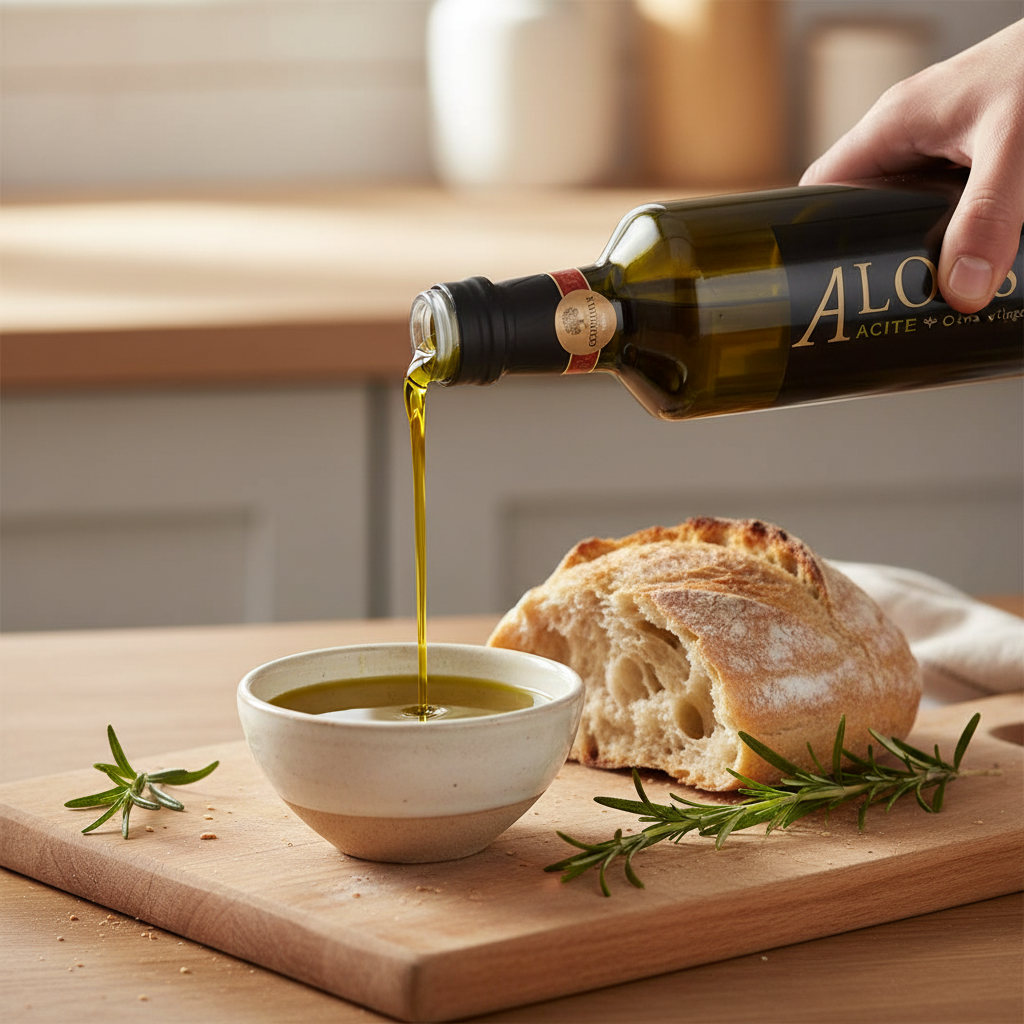
What Is Harvest Date On Olive Oil — And Why It Matters More Than Expiry Date
What Is The Harvest Date On Olive Oil?
The harvest date is exactly what it sounds like: the date the olives were picked and pressed into oil. Unlike the expiry or best-before date, which is typically calculated as 18–24 months from bottling regardless of the oil's actual quality, the harvest date tells you when the olives were actually harvested and the oil was made.
Olive oil is made once a year during harvest season, which in the Northern Hemisphere runs from roughly October through December, and in the Southern Hemisphere from April through June. Premium producers always display the harvest year — and increasingly the specific month — on their label.
Why Harvest Date Matters More Than Expiry Date
Olive oil degrades from the moment it's pressed. Unlike wine, which can improve with age, olive oil is always at its peak immediately after production and declines steadily over time. The polyphenols — the natural antioxidants that give high-quality olive oil its distinctive peppery kick and its health benefits — begin breaking down from day one.
An olive oil with an expiry date two years in the future could have been bottled eighteen months ago from oil pressed two years before that. By the time it reaches your kitchen, the flavour compounds have faded, the polyphenols have degraded, and you're paying a premium price for an ordinary product.
The harvest date cuts through all of this. A bottle showing a harvest date of six to twelve months ago is genuinely fresh. A bottle showing a harvest date of two years ago — regardless of what the expiry date says — is past its prime.
What To Look For When Buying Olive Oil
- A harvest date within the last 12 months — ideally within 6 months for early harvest oils
- A specific harvest year printed on the label, not just a best-before date
- A dark glass bottle — clear glass accelerates degradation
- Cold press certification — heat damages the delicate flavour compounds
- Single origin designation — tells you exactly where the olives came from
Early Harvest vs Late Harvest — Does Timing Matter?
Within a single harvest season, the timing of picking matters enormously. Early harvest oils — pressed from olives picked while still green and unripe — have significantly higher polyphenol content, more intense flavor, and greater health benefits. They're also lower yield, which is why they typically cost more per bottle.
Late harvest oils, pressed from fully ripe olives, are softer, rounder, and more buttery. Less peppery, more approachable, and still absolutely delicious — just a different experience. Neither is objectively better; they suit different uses and different palates.
We at the The Olive Trading Co. are focused on oil that is rounded and complex. a balance of the early harvest, and a touch of ripeness to ensure you flavorful and rich sensation. Often early harvest oils pack too much punch to be effectively integrated in to the food, and late harvest is just too bland.
The Bottom Line
The harvest date is the single most honest number on an olive oil bottle. Producers who display it prominently do so because they're proud of their oil's freshness and have nothing to hide. Producers who omit it and rely on a distant expiry date are often obscuring an oil that's older than you'd want to know.
Every oil we stock at The Olive Trading Co. displays its harvest date prominently. [Browse our full range here] and look for the harvest date on every label.

Written by Raphael Bondi

2 comments
Almost every bottle I see does not print harvest date on the bottle. Their history bar code does not provide it either. Are there brands that consistently do?
David Shea
Almost every bottle I see does not print harvest date on the bottle. Their history bar code does not provide it either. Are there brands that consistently do?
David Shea
Leave a comment
This site is protected by hCaptcha and the hCaptcha Privacy Policy and Terms of Service apply.