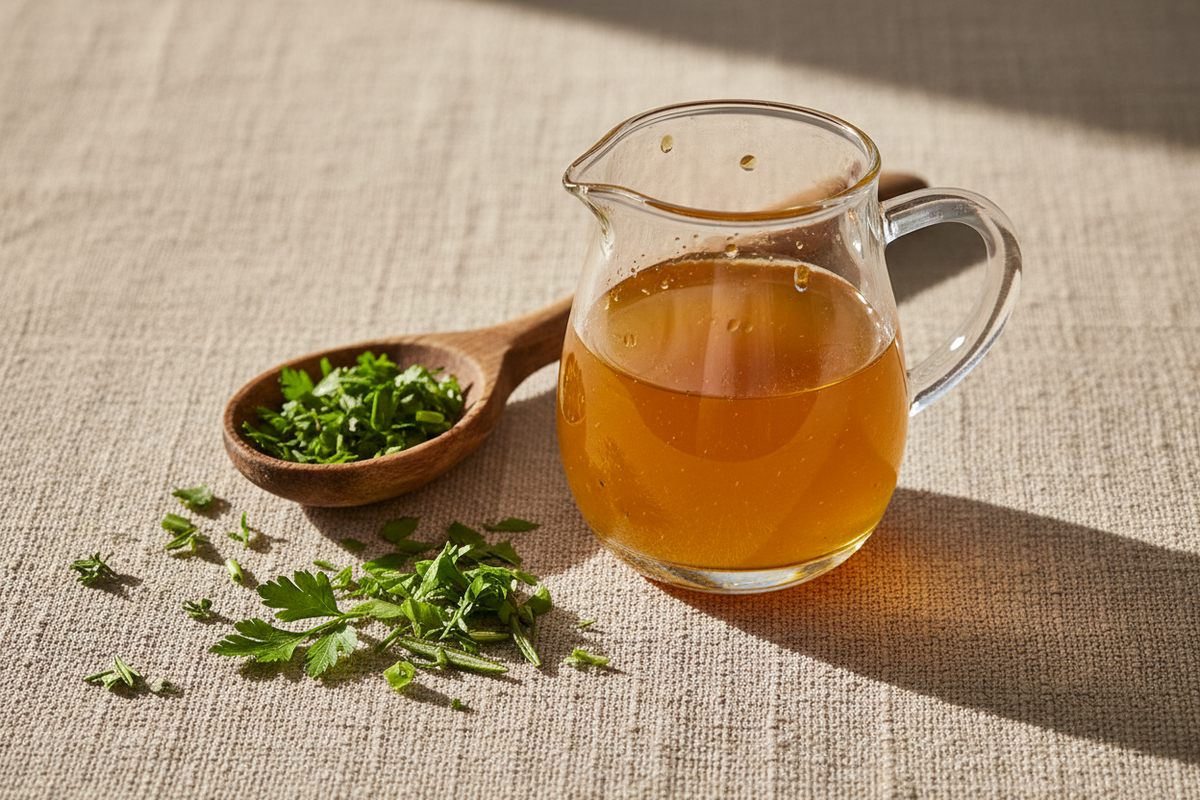
Classic Red Wine Vinaigrette — Because Great Olive Oil Doesn't Just Cook, It Transforms
Most people think of olive oil as something you cook with. Heat it up, fry something in it, move on. But some of the best things olive oil does happen off the heat — in a dressing, drizzled over a finished plate, or whisked into a vinaigrette that makes a simple salad taste like it came from somewhere better than your kitchen.
This is that vinaigrette. Classic red wine, three-to-one ratio, Dijon to hold it together. The kind of dressing that once you make it yourself, you'll never buy bottled again. And yes — the quality of the oil is the whole point.
Olive Oil Isn't Just for Cooking
Here's the thing about extra virgin olive oil that doesn't get said enough: heat dulls it. The polyphenols, the fresh grassy notes, the peppery finish — all of that is most vivid when the oil is raw. A dressing is one of the purest ways to taste what an oil actually is. That's why a good vinaigrette made with quality EVOO tastes so different from one made with a supermarket blend. The oil isn't a background ingredient here. It is the dressing.
Think of it this way: olive oil is a seasoning as much as it is a fat. It enhances, it finishes, it rounds out. A drizzle over roasted vegetables, whisked into a dressing, spooned over grilled fish straight from the pan — these are the moments where a premium oil justifies itself completely.
The Recipe — Classic Red Wine Vinaigrette
The ratio is 3:1. Three parts oil to one part acid. That's genuinely all you need to know to make any vinaigrette, forever.
Ingredients
- 6 tbsp Oilala EVOO
- 2 tbsp red wine vinegar
- 1 tsp Dijon mustard
- ½ tsp good honey
- Flaky sea salt and cracked black pepper to taste
- 1 small garlic clove, finely minced (optional, but recommended)
Method
- Add everything to a small jar with a tight-fitting lid.
- Shake hard for 15–20 seconds until fully emulsified and glossy.
- Taste. Adjust — more vinegar if you want more bite, more oil if you want more body and roundness.
- Store in the jar in the fridge for up to one week. Always shake again before using — it will separate naturally.
Cook's note: The Dijon isn't just for flavour. Mustard is a natural emulsifier — it's what keeps the oil and vinegar bound together instead of splitting immediately. Don't skip it.
Ways to Use It Beyond the Obvious
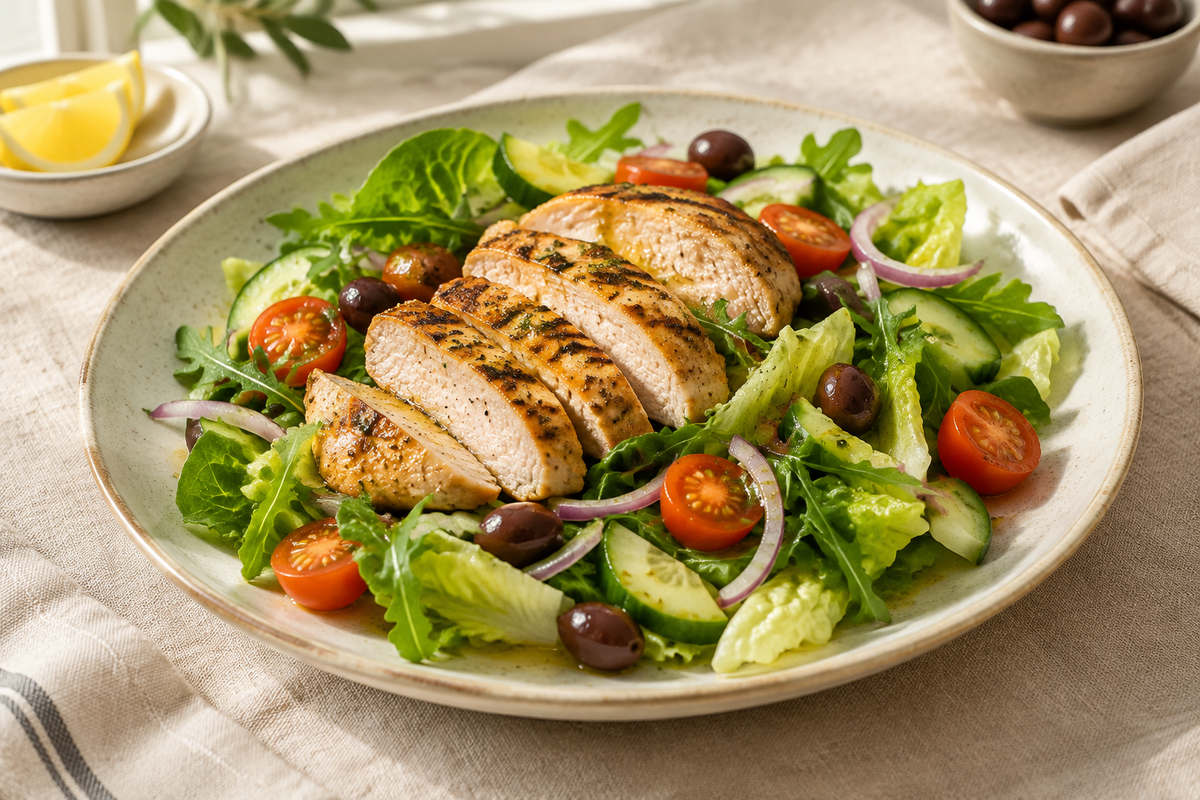
A vinaigrette is more versatile than most people use it for. Beyond the salad bowl, try it as:
- A marinade for chicken or white fish before grilling
- A warm drizzle over roasted root vegetables straight out of the oven
- Spooned over a soft-boiled egg on toast
- Tossed through warm lentils or white beans with herbs
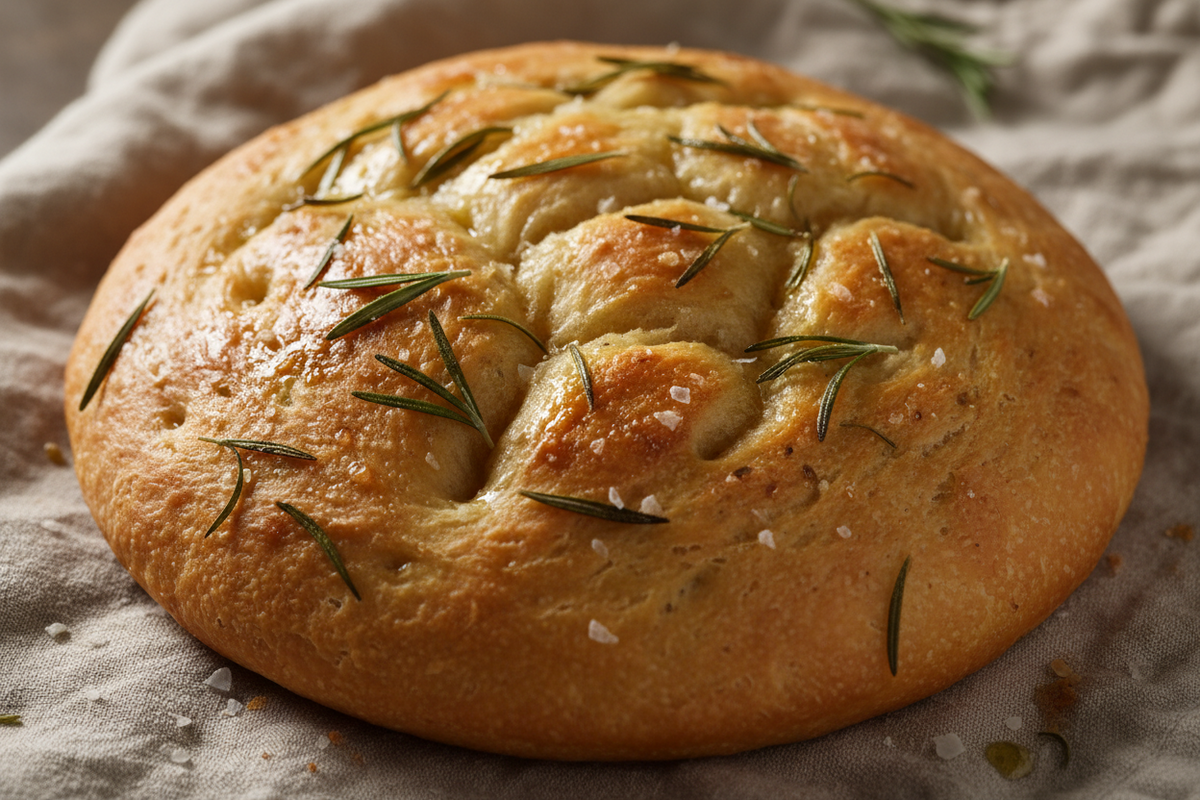
- A dipping sauce alongside good bread and aged cheese
The same dressing. Completely different results. That's what a good oil does — it adapts, it enhances, it belongs in more places than you'd expect.

Written by Raphael Bondi

Leave a comment
This site is protected by hCaptcha and the hCaptcha Privacy Policy and Terms of Service apply.