Does Olive Oil Color Matter? Green vs. Golden Explained
Some olive oils pour a vivid green. Others look golden, yellow, or somewhere in between. Put them side by side and it is tempting to decide that the greener one must be fresher, stronger, or better.
But color is not a quality grade. A beautifully made extra virgin olive oil can be green or golden. And an oil that loses its striking green appearance does not necessarily lose its delicious character at the same pace.
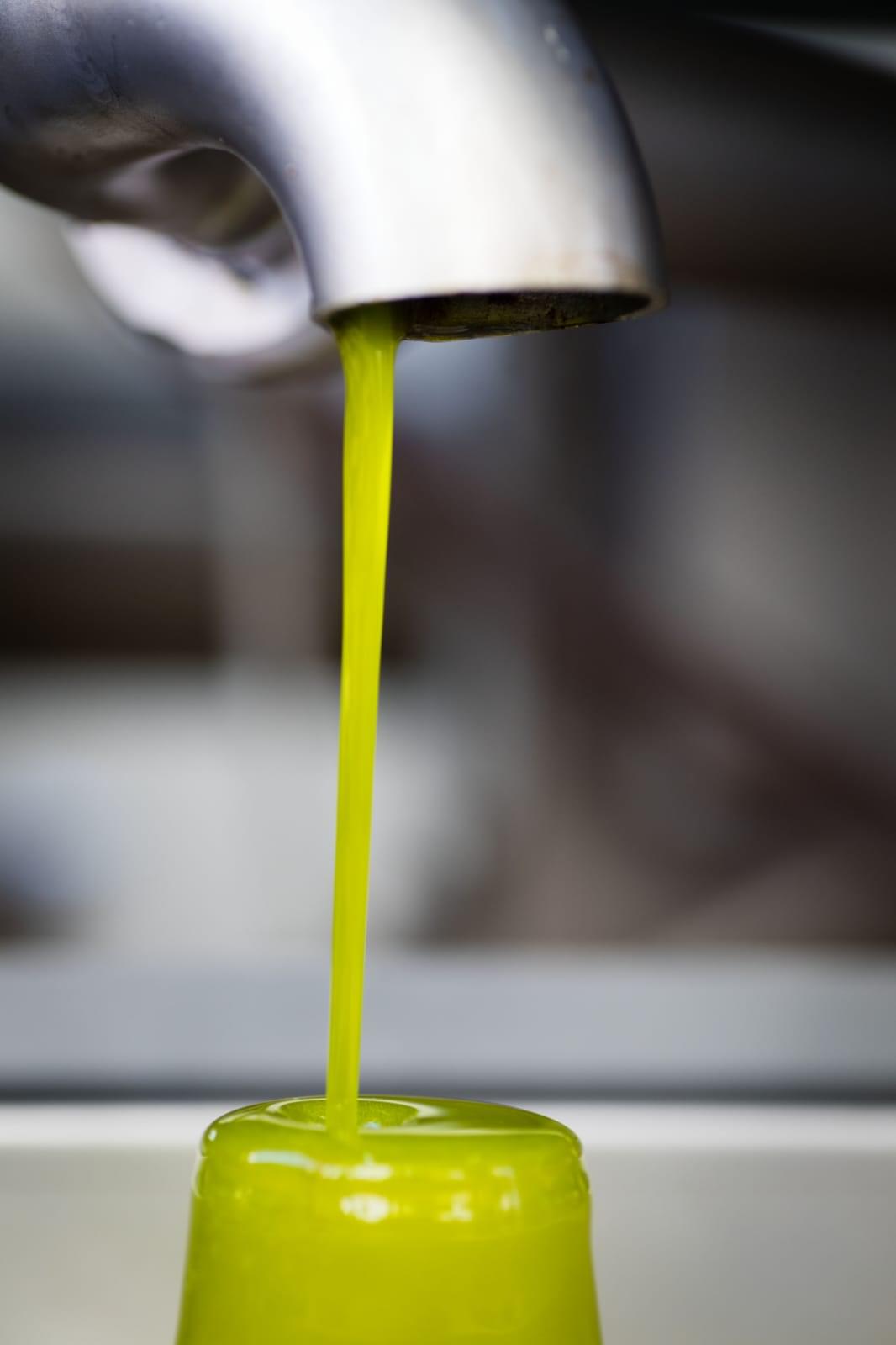
The electric green of freshly pressed olive oil
There is one part of this conversation that deserves more attention: what olive oil can look like right at the mill.
In my experience, some oils straight from the press have a vibrant, almost electric green color. It is a remarkable sight, and something that can be difficult to appreciate if you have only encountered olive oil months after it was made.
That vivid appearance does not necessarily last. With oils I have followed, the most striking green can be a first-month-or-so experience, with the color looking noticeably different several months after pressing. The timing varies by oil and storage conditions; it is an observation, not a universal countdown.
What matters is that the change in appearance can be much more obvious than the change in flavor. I have experienced oils whose color shifted noticeably while their flavor had softened only slightly and remained full of character.
So yes, that just-pressed green can be wonderful. But expecting an oil to keep that exact color throughout its life is not a sensible way to judge it.
What gives olive oil its color?
Olive oil gets much of its color from naturally occurring pigments in the fruit. Chlorophyll contributes green tones, while carotenoids contribute yellow and golden tones.
Olive variety, fruit ripeness, and processing influence the balance of those pigments and the appearance of the finished oil. Storage conditions and exposure to light can also affect its color over time.
That is why two excellent oils can look noticeably different. Color reflects pigments, but it does not tell you how carefully the fruit was handled or how well the oil was made.
Does a change from green to gold mean the oil has gone bad?
Not on its own. A change in color is not enough to diagnose rancidity or decide that an oil is no longer good.
Color and flavor do not follow a single shared clock. An oil can look less vividly green while retaining much of the aroma and flavor that made it appealing in the first place.
That does not mean olive oil stays fresh indefinitely. Its aromas and flavors evolve, and poor storage can accelerate deterioration. The distinction is that you cannot measure those changes accurately by looking at the shade alone.
Use the harvest information, storage history, aroma, and taste together. Do not discard an enjoyable oil simply because it no longer looks like it did at the press.
Is greener olive oil better?
No. Earlier-picked olives often produce greener oils, and early harvesting can also influence green aromas, bitterness, and pepperiness. Those qualities sometimes appear together, which helps explain the association between green color and quality.
But that association is not a guarantee. A green-looking oil is not automatically free of defects or high in polyphenols. A golden oil is not automatically old, bland, or inferior.
Healthy olives, careful handling, skilled milling, and proper storage matter far more than whether the pour looks emerald or gold.
Does color tell you how olive oil will taste?
Not reliably enough to choose by sight alone. Appearance can make us expect a particular flavor before we have smelled or tasted anything.
A green oil may suggest grassiness and pepperiness to you. A golden oil may suggest a softer, fruitier character. Sometimes those expectations fit, but they are not dependable rules.
For a more useful starting point, read the olive-variety information and tasting notes. Then try the oil with food. Notice its fruitiness, bitterness, peppery finish, and how it interacts with the dish.
Our guide to Coratina and Arbequina explores the difference between delicate and robust styles, but the important principle is simple: intensity and quality are not the same thing.
Why professional tasters hide the color
Professional olive oil tasting commonly uses colored glasses, traditionally blue, so the oil's appearance does not influence the assessment.
The idea is to judge aroma and flavor without letting color create expectations. Color is not a criterion for classifying an oil as extra virgin.
You do not need special glasses to enjoy olive oil at home. Just borrow the principle: let your nose and palate have their say before your eyes make the decision.
Cloudiness is a different question
A newly made or unfiltered oil may look cloudy because fine particles and moisture remain suspended in it. A filtered oil is generally clearer.
Cloudiness and green color are different characteristics. Neither is a quality certificate, and filtration is a normal processing step, not the same thing as refining.
Do not assume that a cloudy oil is necessarily fresher, more nutritious, or better than a clear one.
What should you look for instead?
Start with information about the actual bottle: the producer, origin, olive variety, harvest date, and how it has been stored.
Choose a flavor profile you enjoy and can use with your food. A delicate oil and a robust oil can both be excellent. One may suit your fish or fresh cheese, while the other adds a welcome presence to beans, tomatoes, or roasted vegetables.
At home, protect your oil from heat and light and keep the cap closed. Do not leave a bottle in the sun to admire its color; protecting the oil matters more than displaying it.
The bottom line: appreciate the color, but taste the oil
I love the electric green of certain oils fresh from the press. It is part of the pleasure of experiencing a new harvest.
But that moment is not the standard every bottle has to match months later. The color can change while the oil remains flavorful and deeply enjoyable.
Green and golden are appearances, not rankings. Let the color catch your eye. Let the aroma, taste, and quality of the production make the decision.
Explore our extra virgin olive oils and choose by character, not color.

Written by Raphael Bondi

Leave a comment
This site is protected by hCaptcha and the hCaptcha Privacy Policy and Terms of Service apply.