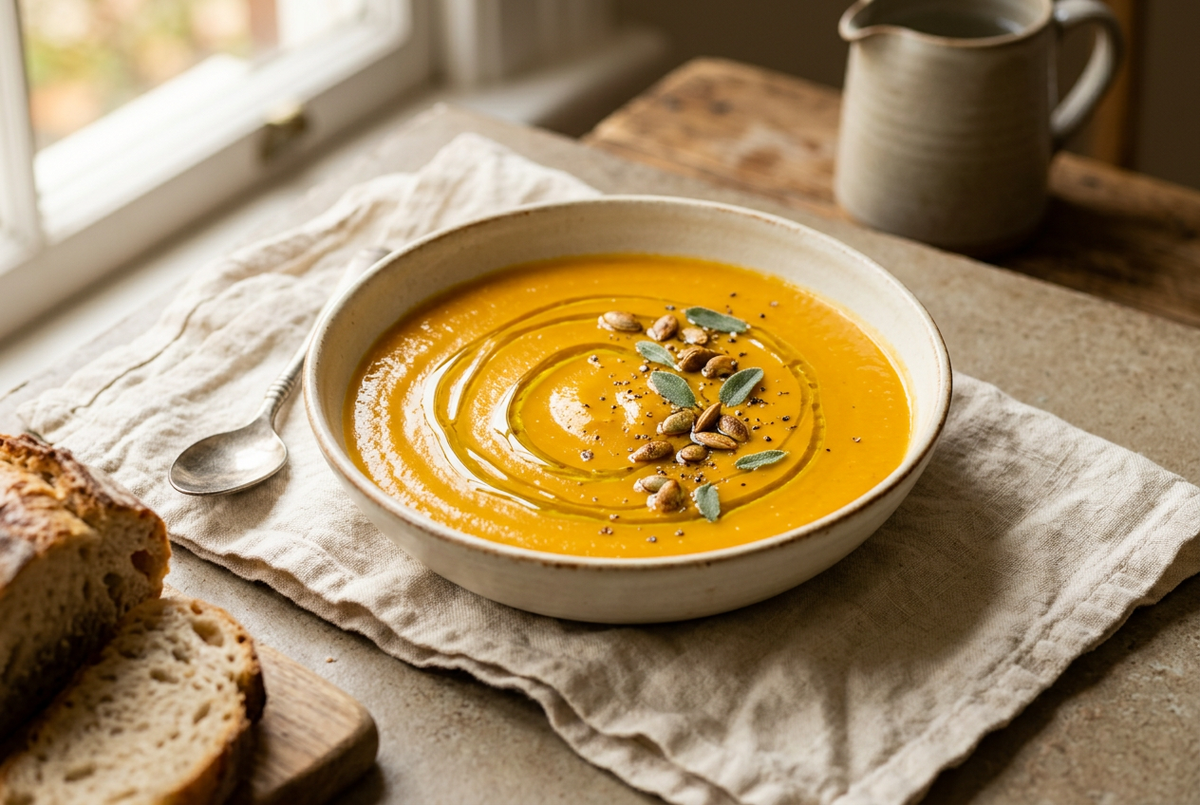
How to Finish Soup with Extra Virgin Olive Oil
A pot of soup is one of the simplest pleasures of autumn. The vegetables soften, the kitchen smells inviting, and dinner comes together without much fuss. But the last ingredient does not always belong in the pot.
A small drizzle of extra virgin olive oil, added after you ladle the soup into a bowl, can bring a different dimension to the meal. It adds its own aroma and flavor, along with a smooth richness that contrasts beautifully with vegetables, beans, and broth.
The idea is not to make soup oily. It is to treat olive oil as a seasoning, just as you might use fresh herbs, cracked pepper, or a squeeze of lemon.
Why add olive oil after cooking?
Olive oil used while cooking helps build the dish. You might soften onions in it, cook garlic gently, or use it to roast vegetables before blending them into soup.
A finishing drizzle does a different job. Because it goes on at the end rather than simmering with the other ingredients, its aroma and individual character have more room to stand out. You taste the soup and the oil together, but the oil does not disappear into the background.
This is also a thoughtful way to enjoy a premium bottle. You do not need to pour generously into an entire stockpot to appreciate it. A little on each serving lets its flavor become part of the meal.
For more on using your oil both in the pan and at the table, read our guide to cooking and finishing with extra virgin olive oil.
How much olive oil should you use?
Start with about half a teaspoon to one teaspoon per bowl. Drizzle it over the surface, take a spoonful, and decide whether you want more.
The right amount depends on the soup and your taste. A thick bean soup may welcome a fuller drizzle; a delicate vegetable broth may need only a few drops. If the oil starts to dominate every spoonful, pull back next time.
There is no need for an elaborate swirl. A few small ribbons across the top work well. Add the oil just before serving, while the soup is warm, rather than stirring it into the pot hours beforehand.
Match the oil to the soup
Not sure where to begin? Our Coratina vs. Arbequina taste comparison explores two different olive varieties and how to choose between them.
Squash, pumpkin, and carrot soup
Sweet vegetables give olive oil a lovely backdrop. A gentler, fruit-forward oil can round out the bowl without competing with it. A more peppery oil creates contrast, especially if the soup is very smooth and sweet.
For a side-by-side tasting at home, try Alonso Arbequina 2026 on a small serving of squash soup and see how the pairing suits your palate.
Try a little olive oil with toasted pumpkin seeds and a pinch of black pepper. If the soup tastes flat, a small squeeze of lemon can help bring the flavors into focus. Taste before adding more salt.
Tomato soup
Tomato soup works beautifully with an oil that brings fresh, green flavors. The combination feels especially natural with basil, crusty bread, or a simple cheese toast.
Keep the finish restrained: olive oil, torn basil, and perhaps a little freshly ground pepper. You do not need a long list of toppings when the soup and oil already have plenty to say.
Lentil and chickpea soup
Earthy legumes can hold their own alongside a more assertive oil. A pleasantly bitter or peppery finish adds contrast to their hearty texture.
Try olive oil with chopped parsley and lemon. If you are using cumin, smoked paprika, or other warming spices in the soup, taste the oil with a spoonful before choosing how much to add. The best pairing is the one you enjoy in the finished dish, not just on paper.
Want to explore a different variety with your next bowl? Try a small drizzle of Alonso Coratina 2026 and taste before adding more.
White bean and vegetable soup
Creamy white beans make an excellent canvas for olive oil. Finish with a drizzle and a little rosemary or parsley, then serve with good bread.
For a chunkier soup with kale or other greens, a bolder oil can be a satisfying choice. For a very delicate blended bean soup, start with something gentler and adjust from there.
Make an easy bowl feel special
You do not need to make everything from scratch. A ready-made soup can still become a more considered meal with a few thoughtful additions.
Warm the soup, taste it, and choose one or two toppings. Olive oil and fresh herbs are enough for many bowls. Toasted seeds add crunch; lemon adds brightness; bread makes it dinner.
Pre-cut squash and canned beans are perfectly useful shortcuts, too. The point is to make a meal you want to cook again, not turn a weeknight into a project.
A simple way to find your favorite pairing
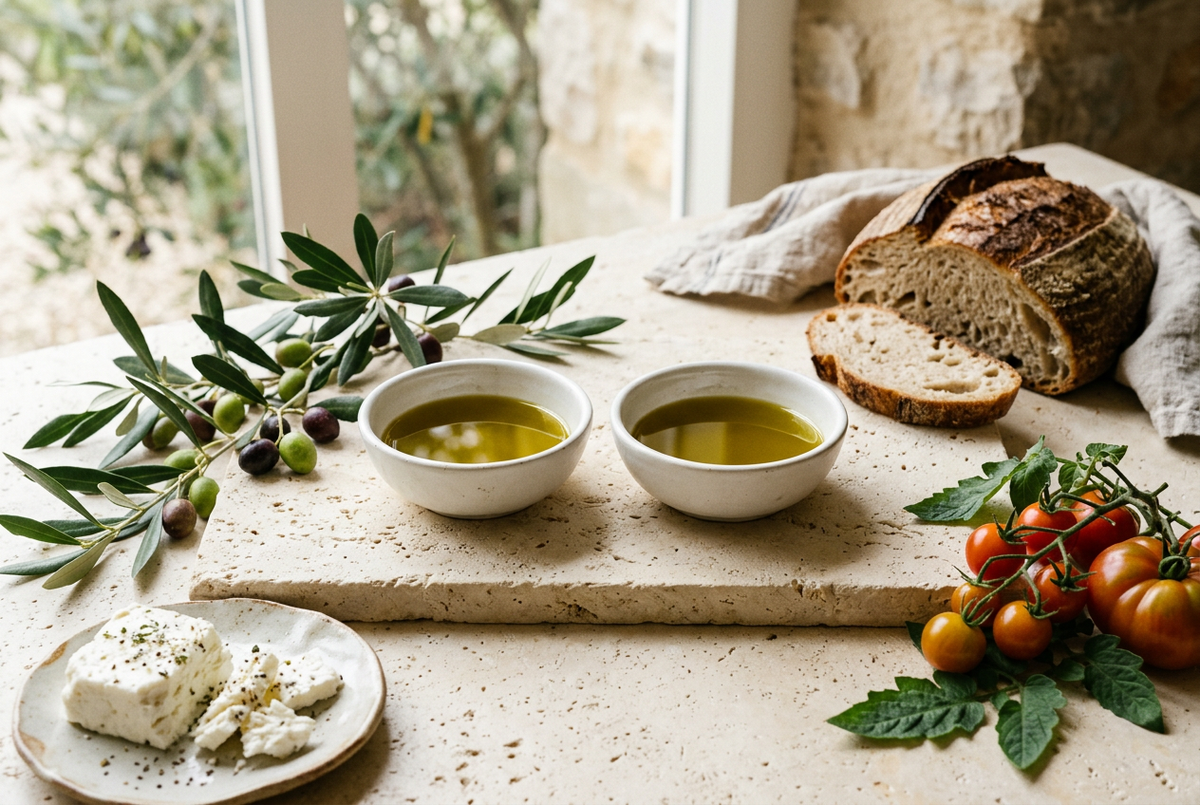
If you have two olive oils open, spoon a little soup into two small bowls. Finish one with each oil and taste them side by side.
Notice which pairing you prefer. Does one make the vegetables taste sweeter? Does the other bring a peppery contrast you enjoy? Does a milder oil let the herbs come forward?
You do not need a trained palate or a list of tasting terms. Trying the oils with actual food is a useful way to understand what you like.
The final drizzle is part of the recipe
Extra virgin olive oil is not only something to cook with. It can be the finishing ingredient that brings a bowl together.
Next time you make soup, leave a little room for that final step. Ladle, drizzle, taste. Sometimes the smallest addition is the one you notice most.

Leave a comment
This site is protected by hCaptcha and the hCaptcha Privacy Policy and Terms of Service apply.